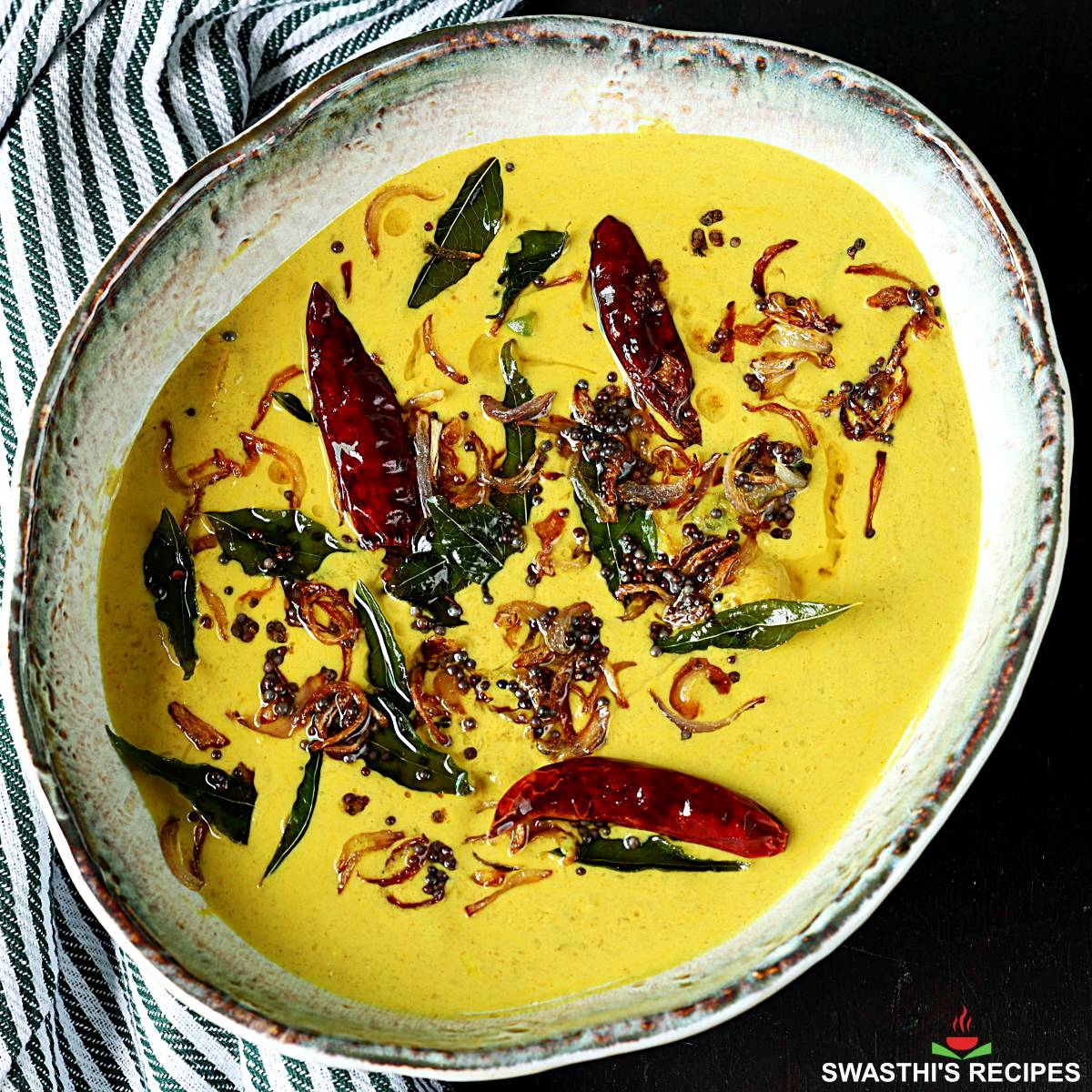
Mango Curry: A Culinary Journey into Sweet, Tangy, and Spicy Perfection
Few dishes capture the imagination quite like mango curry. It's a vibrant tapestry of flavors, a testament to culinary innovation that bridges the gap between fruit and savory, traditional and modern. While "mango curry" encompasses a range of delightful preparations, the most iconic and globally cherished rendition is undoubtedly mango chicken. This beloved Indian curry masterfully blends the natural sweetness of ripe mangoes with the subtle tang of their raw counterparts, all enveloped in a rich, creamy sauce infused with aromatic spices. It's a dish that transcends mere sustenance, offering a sensory experience that is both comforting and exotic.
Originating from the sun-drenched regions of South India, where mangoes are not just a fruit but a culinary cornerstone, mango chicken has evolved from its humble beginnings to become a staple in contemporary Indian fusion cooking. Its distinctive profile, characterized by tender chicken pieces swimming in a luscious, golden sauce, promises an adventure for the palate, distinguishing it sharply from more conventional curry preparations. Join us as we explore the intricate balance of flavors, the diverse possibilities, and the practical art of crafting this magnificent dish in your own kitchen.
The Harmonious Balance: Unpacking Mango Curry's Unique Flavor Profile
What truly sets mango curry, particularly the chicken variant, apart is its exquisite balance of sweet, tangy, and spicy elements. This isn't just a sweet curry; it's a symphony of contrasts designed to excite every taste bud. The sweetness primarily comes from ripe mango puree, which infuses the sauce with a tropical, fruity depth. This natural sweetness is crucial, forming the foundation upon which other flavors are built.
To prevent the dish from becoming overly saccharine, traditional recipes brilliantly incorporate tangy notes. This can be achieved through the use of raw or semi-ripe mangoes, which contribute a delightful sourness, much like tamarind or lime. Alternatively, acidic elements such as yogurt or a squeeze of lime juice can be added to achieve the desired tartness, brightening the entire composition. This tangy counterpoint is what truly elevates the dish, preventing it from being one-dimensional.
Adding another layer of complexity is the heat from a carefully selected blend of curry spices. Ingredients like fresh ginger, pungent garlic, earthy cumin, fragrant coriander, and a touch of chili powder provide a warming kick that complements the fruitiness without overpowering it. Turmeric, beyond its distinctive flavor, lends the curry its signature vibrant yellow-orange hue, making it as visually appealing as it is delicious. The final touch of richness and a smooth, velvety texture comes from coconut milk. This tropical ingredient not only enhances the creaminess of the sauce but also adds a subtle depth and a hint of exoticism that ties all the flavors together.
The interplay of these components—sweet ripe mango, tangy raw mango or acidic elements, warm spices, and creamy coconut milk—creates a flavor profile that is both complex and incredibly appealing. It's this masterful blend that makes mango chicken a shining example of South Indian culinary innovation, where a fruit is transformed into a pivotal savory ingredient.
Beyond Chicken: Exploring the Versatility of Mango Curry
While mango chicken stands as the most famous iteration, the beauty of the "mango curry" concept lies in its remarkable adaptability. The core principles of combining sweet, tangy mango with a savory base and aromatic spices can be applied to a myriad of other ingredients, opening up a world of culinary possibilities. For those looking to explore different avenues, the following variations offer exciting departures from the traditional chicken preparation:
- Vegetarian Mango Curry: This category is incredibly versatile. Hearty vegetables like cauliflower, potatoes, and bell peppers can absorb the curry's rich flavors beautifully. Lentils or chickpeas make excellent protein substitutes, offering a fulfilling and nutritious meal. Paneer, the popular Indian cheese, also pairs wonderfully with the creamy mango sauce, providing a tender, chewy texture. Tofu, when properly pressed and browned, can also serve as an excellent plant-based alternative.
- Seafood Mango Curry: The delicate flavors of white fish (like cod or snapper) or succulent shrimp are surprisingly harmonious with the sweet and tangy notes of mango. Seafood cooks quickly, making this a fantastic option for a weeknight meal. The tropical undertones of coconut milk further enhance the seafood, transporting your taste buds straight to the coast.
- Lamb or Pork Mango Curry: For those who enjoy richer meats, slow-cooked lamb or pork can create a deeply flavored and tender mango curry. The longer cooking time allows the meat to become incredibly succulent and fully absorb the complex spices and fruity essence of the sauce.
When adapting a mango curry recipe, remember to consider how different proteins or vegetables will interact with the sauce. Meats that require longer cooking times will infuse the sauce with more umami, while delicate seafood will require a lighter touch. Adjusting the balance of spices, acidity, and sweetness to complement your chosen ingredients is key to achieving a truly outstanding dish. For more general mango curry recipes and ideas, you might find valuable insights in mango curry - Article 1.
Crafting Your Own Mango Curry: Tips and Techniques for Success
Making an authentic and delicious mango curry at home is a rewarding experience. Here are some practical tips and techniques to guide you:
- Mango Selection is Paramount:
- For Sweetness: Choose ripe, fragrant mangoes that yield slightly to pressure. Alphonso, Kesar, or Ataulfo varieties are excellent for their rich sweetness and vibrant color.
- For Tanginess: If using, seek out raw (green) mangoes from Asian or Indian grocery stores. Their tartness is essential for that traditional South Indian zing. If raw mangoes are unavailable, a spoonful of tamarind paste, lime juice, or plain yogurt can provide a similar sour note.
- Mastering the Spice Base: Start with fresh aromatics. Sautéing finely chopped onions, garlic, and ginger until fragrant forms the foundation of your curry. Next, add powdered spices like turmeric, cumin, coriander, and chili powder, cooking them briefly to release their aromas before adding liquids. Consider tempering whole spices like mustard seeds, fenugreek, or curry leaves in hot oil at the very beginning for an extra layer of flavor.
- Achieving the Perfect Creaminess: Good quality coconut milk is crucial. Full-fat coconut milk will give you the richest, most velvety sauce. If you prefer a lighter consistency or wish to use yogurt for tanginess, ensure it's plain, full-fat yogurt, and temper it by mixing a few spoonfuls of hot curry sauce into the yogurt first before incorporating it into the main pot to prevent curdling.
- The Art of Simmering: Once all ingredients are combined, allow your curry to simmer gently. This slow process is vital for the flavors to meld and deepen, and for the chicken (or other protein) to become tender. Cover the pot and stir occasionally to prevent sticking.
- Taste and Adjust: The beauty of homemade curry is the ability to customize. Towards the end of cooking, taste your curry. Does it need more salt? A bit more sweetness (a pinch of sugar can help)? More tang (lime juice)? Or a touch more heat (fresh green chilies or a dash of cayenne)? Adjust according to your preference.
Remember, cooking curry is an art of patience and balance. Don't be afraid to experiment and trust your palate.
Serving Suggestions and Cultural Resonance
A perfectly crafted mango curry deserves equally fitting accompaniments. Traditionally, it is served alongside fluffy, steamed basmati rice, which acts as a neutral canvas to absorb the rich, complex flavors of the sauce. Alternatively, warm, pillowy naan bread or a simple roti (Indian flatbread) are excellent choices for scooping up every last drop of the delicious gravy. A refreshing side like cucumber raita (yogurt dip) or a simple green salad can provide a cooling contrast to the curry's warmth.
Beyond the plate, mango chicken holds a significant place in the narrative of Indian cuisine's global journey. Its roots in South India, with traditional names like "Pacha Manga Curry" or "Mambazha Kozhi Kari," highlight the region's historical use of raw mangoes for sourness. As Indian diaspora communities spread across the globe, this dish, like many others, adapted and evolved. Modern adaptations incorporating ripe mangoes for sweetness appealed to a broader international palate, transforming it into a global favorite. It embodies the spirit of contemporary Indian fusion cooking—a delightful blend of heritage and innovation, comfort and exoticism. For a deeper dive into the historical journey of mango-infused dishes, including how they crossed borders and adapted, you might want to explore mango curry - Article 3.
Conclusion
Mango curry, epitomized by the luscious mango chicken, is a testament to the boundless creativity of Indian cuisine. Its unique fusion of sweet, tangy, and spicy elements, harmoniously brought together with creamy coconut milk and tender protein, offers a culinary experience unlike any other. From its South Indian origins to its status as a global favorite, this dish continues to captivate diners worldwide. By understanding its core components and embracing the techniques outlined, you can recreate this vibrant and comforting meal in your own kitchen, bringing a taste of this magnificent fusion to your table.
